
Loading your content...
Learn how the IGS102-2 switch is used in IoT and robotics projects: wiring examples, debounce, selection criteria and South Africa procurement notes.
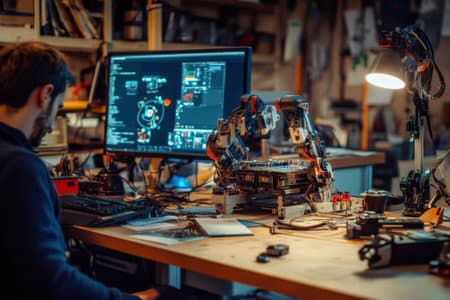
Limit switches, mode selection, and low-voltage control inputs in IoT and robots.
Verify contact rating, configuration, actuator type and mechanical life before design.
Check Communica branch stock, request VAT invoices and keep spare parts for labs.
The IGS102-2 switch (searchers commonly reference it by model) is used widely as a small mechanical switching element in embedded systems, sensor arrays and robotics control panels. For South African makers, students and technicians, the practical value is in its compact footprint, straightforward wiring and typically low-voltage contact ratings suitable for logic-level inputs and relay-driving circuits. When planning a design around the IGS102-2 switch, confirm the device's electrical ratings, mechanical life, actuator type and mounting style from the specific datasheet before final selection.
For reliable integration, compare these parameters across vendors or batches:
| Parameter | Why it matters | Typical ranges to expect |
|---|---|---|
| Contact rating | Defines safe switching voltage/current; important if switching relays or motors. | DC: 12V-100V; Current: 0.1A-2A (device dependent) |
| Contact configuration | SPST / SPDT / DPDT affect wiring and functionality. | SPST or SPDT commonly used in small switches |
| Mechanical life | Cycles rating impacts suitability for frequently toggled inputs. | 10k-10M cycles depending on switch family |
| Actuator & mounting | Panel, PCB, or cable mounting changes integration method. | PCB through-hole, surface mount or panel-mount forms |
Consideration: For classroom and prototyping use in South Africa, favour switches with clear mechanical travel and an easily accessible datasheet. Confirm stock availability at local suppliers to avoid long lead times for small replacements during practical labs.
When using the IGS102-2 switch in low-voltage IoT/robotics circuits, designers should treat the switch as a signal-level device unless the datasheet explicitly lists higher contact ratings. Use the following rules of thumb for safe design:
A common RC debounce uses a resistor (R) and capacitor (C). Time constant = R x C. Choose between 5ms and 50ms depending on application.
Example: R = 10 kOhm and C = 4.7 uF gives ~ 47 ms - suitable for human-operated toggles.
ASCII wiring for a single-pole switch to an MCU input with pull-up:

  Vcc (3.3V)
     |
    10kOhm
     |
    MCU INPUT ------o/ o----- GND
                   (IGS102-2)

When closed: INPUT = GND (logic low). When open: INPUT pulled high via 10kOhm (logic high).Discover quality robotics & prototyping products related to IGS102-2 Switch: Applications in IoT and Robotics (Selection & Wiring Guide)

Salecom Miniature Toggle Switch 4pdt-1-0-(1) 5a-120 Vac Right-angle-pcb-thruhole

Salecom 8409 Miniature Toggle Switch 4pdt-1-0-(1) 5a-120 Vac Solder-lug Std-lever Actuator

Miniature Toggle Switch 8407 - 4pdt-(1)-0-(1) - 5a-120 Vac - Solder-lug - Std-lever Actuator

Salecom 8405p Miniature Toggle Switch 4pdt-1-0-1 5a-120 Vac Right-angle-pcb-thruhole Ver.opr.std.lever

Salecom 8405 Miniature Toggle Switch 4pdt-1-0-1 5a-120 Vac Solder-lug

Salecom Miniature Toggle Switch 4pdt-1-n-(1) 5a-120vac Right-angle Pcb Thruhole

Salecom 8403 Toggle Switch 4pdt-1-n-(1) 5a-120 Vac Solder-lug Std-lever Actuator

Salecom 8401 Miniature Toggle Switch - 4pdt-1-n-1 - 5a-120 Vac - Solder-lug - Standard-lever

Salecom Miniature Toggle Switch 8401p - 4pdt-1-n-1 - 5a-120 Vac

Salecom 8309 Miniature Toggle Switch 3pdt-1-0-(1) Solder-lug 5a-120 Vac

Salecom 8307 Miniature Toggle Switch 3pdt-(1)-0-(1) 5a-120vac Solder-lug Std-lever Actuator

Miniature Toggle Switch • Form : 3pdt-1-0-1 • 5a-120 Vac • Right-angle-pcb-thruhole • Ver.opr.std.lever Actuator
Match the IGS102-2 to the role you need it to perform. Below are practical examples and wiring/compatibility notes for South African maker and student projects.
Use the IGS102-2 as a mechanical limit. Mount it to detect the carriage and connect it to the MCU's interrupt pin. Add an RC debounce (see earlier) and a pull-up resistor. If the carriage contacts the switch frequently, prioritise a switch with higher mechanical life. If switching a motor's supply directly, instead have the switch control a motor driver enable pin or a relay coil (within its contact rating).
Small switches like the IGS102-2 are convenient for selecting config modes (test, normal, sleep). Wire multiple switches into GPIO pins and read their states at boot or via a dedicated configuration routine. For battery-powered nodes, use the switch to break power through a latching MOSFET circuit to minimise quiescent drain; ensure the switch only handles logic-level currents.
On operator panels, choose switches with clear tactile feedback and appropriate mounting. If the IGS102-2 is a PCB-mounted option, consider adding a bezel or secondary mechanical guard. For safety interlocks, combine mechanical switches with firmware validation and watchdog timers rather than relying on a single contact state.
| Use Case | Recommended wiring | Notes |
|---|---|---|
| Limit switch | Interrupt pin + pull-up + debounce | Choose durable actuator; mount securely |
| Mode selector | GPIO array with resistive ladder or separate pins | Label clearly for students and operators |
| Power gating (logic) | Drive MOSFET gate or relay coil via transistor | Avoid switching high motor currents directly |
Communica stocks a wide range of switches, connectors and small components suitable for education and prototyping. When sourcing an IGS102-2 or equivalent locally:
Free shipping for orders over ZAR 1,000.00.
Get a full refund if you had the product for less than 7 days.
Nationwide delivery within 2 - 4 working days.

Very friendly and helpful; and a wide selection of items (at their location). You can also purchase via their WebSite; I have never been disappointed...
Review for Communica Samrand Security Wanted to share a heartfelt thank you to the security team at Communica Samrand! Yesterday, I had a personal ex...
Quick service from Layla and her team in providing technical assistance and getting my order together. This is the best service I have received in a l...
I love this place and have been purchasing my electronic parts over 25 years . Layla has been a super sales lady ..friendly and knows her products .
Verified customerFantastic service! Avi recommended Ajax and it has literally changed my life. Its not only a superb alarm system but it sports home automation to boot...
Needed help with network cameras and cables - Salesperson was extremely knowledgable and very friendly!! Helped me quickly - then the Technician even ...
Wide range of products, excellent service and friendly staff. Well informed and Layla also informed me on compatibility of the components I was about ...
I have a weird project with weird stuff I needed and Cynthia was super helpful and patient with me searching and deciding on what to get. Awesome serv...
I really recommend communica and the establishment has the best coffee house and the food is amazing
Verified customerI have been buying from Communica for many years now, since they were originally situated in Mooi street in Braamfontein. In general they have friendl...
Thy have a wide range of components. Thy do have a q to wait in but 1 come 1 serve. But while you wait thy have very cool stuff to look at you will al...
From warm welcome by the security check when you enter the store to sales man, then all the way to ladies behind the counter, one of them even organi...
Excellent service from Mpho, so friendly and knowledgeable on the products I required. Thanks Communica.
Verified customerGreat service, nice selection of spares, knowledgeable staff
Verified customerFantastic shop with everything electronic you could ever want! Very good service with friendly staff
Verified customerMy order was delivered in less than 24 hours after payment. That is excellent, thank you.
Verified customerVery pleased with the service from layla and nicole they were extremely helpful and full of smiles... Thank you ladies keep those bright spirits shini...
Very good and friendly service from the sales reps running around to the counter. Willing to help with any problem. Highly recommend.
Verified customerThe service was really good and the staff is helpful. Thank you
Verified customerThanks to Rocket, for a seamless assistance. He helped me diligently to return the cell phone signal booster which we bought. Much appreciated
Verified customerAny electronic parts available, chargers, batteries, camera and security stuff and mega big store. One of my favorite places to go with helpfull frien...
Visited a couple of times for supplies and specialised parts Staff is extremely friendly and always helpfull
Verified customerRose helped me so much today Great service
Verified customerExcellent customer service all the way! Amazing, welcoming and energetic staff, especially Steven, Sydney and Nicole. This company is the gold standar...
Awesome service from Sydney and Nicole...keep up the great job guys
Verified customerwhat a great experience i was helped with very efficient and friendly service going the extra mile to get the correct part and save money
Verified customerWell organised store, excellent system of service and short waiting period. Staff (Nicole) was very helpful and passionate about the company, it very ...
What an absolute gem Layla is! She went out of her way to source my requested items from another branch, without me asking, and done so with a great b...
I was assisted by Fatima. She was friendly, patient and professional. Thanks for the great service!
Verified customerGreat service. Cynthia has great knowledge of product and very friendly and helpful
Verified customerAwesome assistance experience I was given, thumbs up
Verified customerWide selection of electronics including many connectors. Very helpful.
Verified customerWent there replace parts we bought that were incorrect. They gave me hustle. Was so smooth that I ended up even buying more stuff.
Verified customerYou nake an order and you collect. Service done is professional and the people starting with the security guard to the administration is great.
Verified customerI had a fantastic experience at Communica, thanks to the exceptional service provided by Rehaan in sales and Nicole at the cashier. Rehaan was incredi...
Got assisted by a very patient and diligent gentleman by the name Sydney. He was patient in getting me what I needed from the little information I gav...
The kind gentleman right behind the turnstiles at the entrance sales counter helped me immediately as I walked in, Sydney, I think. I needed 8 packs o...
Rehaan was very helpful. He walked woth me through the store and assisted me to get all the items I needed. He also referred me to places that could h...
Amazing services Rehaan is the best, just ask for him. Just excellent service. You may end up buying more things than you had planned though. But it ...
I had a fantastic experience with Communica. Whenever I need electronics on short notice, their sales and logistics team always goes the extra mile to...
Can i give Fatima her flowers.... 10 000 out of 100. Customer service-100% Patience-100% Product knowledge-100% Had the best shopping experience there...
Leila was very helpful and super nice!
Verified customerThanks for you friendly and good service...
Verified customerSydney and Windie was extremely helpful and I received very quick service
Verified customerGood service good people great customer care never disappoint me when I'm looking for anything in need always smiling and welcoming...this time when I...
Puleng and Nicole gave me awesome and friendly service
Verified customerWonderful service from nicole at communica samrand
Verified customerMy special appreciation to Windie, with her super customer service. Keep up the good work my sister. Individuals like you gives us more peace to retur...
Fatima was very helpful and patient with my many queries. The shop itself has seen better days but the service was great.
Verified customerFantastic service and help received by Nicole. Communica in general has amazing range of products and solutions to meet my business and personal needs...
Great experience with every purchase thanks to Sydney and nicole
Verified customerAfter searching for a product on the net, Communica was one of several hundred suppliers found. I couldn't be more pleased with my decision to choose...
Sydney was an awesome help, he approached as we walked in for assistance. Nicole was such a darling and very helpful as well. Awesome first time exper...
Ordered online, was just after 6am. Asked if I can pick items up as I wanted to install over the weekend and delivery stated 2-4 working days. Though...
Online support and communication is next level - great communication, fast response - very helpfull, recomended supplier - online payment was no hasse...
He's polite, good with people and made me feel free to talk.. all in all he's helpful
Verified customerAt the till we met Nicole, First of her name! The rightful heir to the iron throne! the Unburnt, Breaker of Chains and pillar of strength at Communic...
Rehaan was the sales representative that helped us. He was friendly and helped us with in seconds. We where very pleased with the service and the expe...
I purchased the TP-LINK VIGI C340 4MM camera online... What an amazing camera. Easy to setup with long distance view, and superb quality. This was an ...
Best service received from Rocket! What a pleasure dealing with him. Thank you Rocket
Verified customerFast good price service. Thank you Sydney.
Verified customerThanks Fatima for an excellent service
Verified customerOnline service is extremely great.. Had an amazing chat with one of the online chat consultants. Gave me info I needed, and we talked about my passion...
Excellent service so far
Verified customerSydney offered exceptional service. He took me step by step on what I needed to buy. Thank you Nicole for the service
Verified customerLovely lady serving me named Nicole and I got very good assistance from Leburu on th floor whom directed me toward the correct goods. Will visit again...
Excellent service by Sydney at the ino counter. So many awsome products! Perfect place to buy gifts for tech junky friends.
Verified customerGreat customer care, with Nicole in the front Desk, the team is fully on the customer support gear, really appreciate your smile Team, Ola.
Verified customerI met Leburu and Nicole at the shop, Leburu took me to the right place with a great smile, then took me with my stuff to cashier Nicole where I paid a...
Leburu and nicole were both very helpful my boss send me to get few items as I wasn't very familiar with the items Leburu and my boss spoke with each ...
Sydney and Nicole were amazing I came in and finished within no time thank you so much keep up the friendly service
Verified customerCustomer service is excellent. Thank you to Mpho for helping me get what I need from the store
Verified customerI will rate the service 5 star. Layla was incredibly friendly and helpful, assisting me with finding the items I needed.
Verified customerThe service I always get from Sydney And Lacy the Cashier is amazing. Those are my guys...keep up the good works gentlemen.
Verified customerOrdered online. Got my order in less than 24 hrs. I was updated all the time on the progress. I have never seen service like this. Thanks and well don...
Sydney and Nicole were absolutely fantastic and helped me with my purchases. Thank you.
Verified customerLovely service received from nicole at the cashier point....it was my first time here and i will be back for certain
Verified customerAwesome service, very friendly and helpful people. Best help and assistance from Avi, and such lovely chats with Nicole.
Verified customerAn awesome shop for everything electronic, at great prices. The team at the returns counter are super helpful and friendly and we love this shop!
Verified customerUnbelievable!! It is now Saturday evening 23 December - 21:15 - and just finished online assistance from Communica - this is service I am not used to ...
Needed to buy a bluetooth GPS receiver. The staff was friendly, knowledgeable and assisted without any issues. This is a toys tore of note for peopl...
azul and Nicole were very helpful and very efficient
Verified customerCynthia at the counter is always very helpful, in fact, all the counter sales ladies are very helpful. Can't say the same for the staff when calling ...
They have mostly any electronic tool and components that you may require - Thanks to Nicole for helping me.
Verified customerVery helpful and really do know their stuff and incredible service absolutely amazing store.
Verified customerFatima is the best. She has great product knowledge.
Verified customerExceptional Service! Online shopping is always a breeze and products delivered on time!
Verified customerGreat service received from Nicole...thank you young lady keep up the good work
Verified customerAfter spending 2 days hunting for a component i found it here. Dealt with someone telefonically. Help was quick, answered all questions, and called me...
One of the cashier services rendered to me was here at communica by the lady named Nicole and her manager dolly they were both willing to go above and...
The service was excellent, Nicole and Rehaan were very helpful and professional in their work.
Verified customerExcellent efficient service with quality products. Despatch process and the counter sales are exceptionally well
Verified customerThank you Rehaan and Nicole for your great service. You made sure that I'm satisfied with the products. Thank you
Verified customerAfzal and Nicole offered me the most exceptional service thank you guys keep up the good work will definitely be seeing more of communica
Verified customerHi Guys. Fantastic place to come to. Very friendly staff. Thank you Nicolle, Mpho and Lacy
Verified customerOnline order shipped before email system had chance to catch up! Good support on chat function. fantastic service
Verified customerNicole assisted me quickly with the correct product. Friendly service thank you!
Verified customerThe service was great and Nicole helped me alot. I will definitely come back
Verified customerService received from Nicole and Dolly was extremely good will definitely be coming back
Verified customerReceived exceptional service. They were quick to answer my website enquiry. Then they went out of their way to make up a special industrial automatio...
Great service, Rehaan and Layla were spectacular with assistance. 10/10 Would definitely recommend.
Verified customerExcellent service from Windie and Mokgabo,they were very friendly and much of a help.Will definitely visit again
Verified customerArrived and the item i wanted was sold out! Rose assisted me and went out of her way to help me get me the goods! 10/10 customer service!
Verified customerBest place for all your electronics needs. Great service, awesome people, Thanks Nicole
Verified customerFriendly and efficient. Good to have staff with such an aptitude and attitude
Verified customerAwesome place!! They have everything electronics you would ever require cctv, home automation and DIY.Prices are decent and staff are helpful. They ha...
Mohamed Sharief is a great asset to Communica. He provides a 5 star service and good product knowledge. Keep up the good work.
Verified customerThis is the answer to all your electronics equipment needs, they have all the components you require for your school project. The shop is very big and...
I received a great service from Rehaan, Windy and Nocole. Excellent customer service.
Verified customerVery good service. Always happy to help me. Thank you Nicole.
Verified customerExcellent service and technical expertise. Very wide range and refreshing CAN-DO attitude.
Verified customerNicole serves with great enthusiasm and super friendliness. Great Customer Service.
Verified customerREHAAN and Nicole are extremely helpful and friendly people made my experience at communica a breeze to shop. Thank you again for the help.
Verified customerSydney and Windie are awesome, what a great experience... keep them part of the Communica team for as long as you can
Verified customerExcellent service from nicole,Rehman and leburu...thank you guys keep up the good work
Verified customerI was helped by a lovely lady at the counter Cynthia and proceeded to another lovely lady at the till point Nicole thank you ladies
Verified customerThe service is so exceptional, thanks to the stuff members in particular Lulu and Nicole
Verified customerReceived excellent service as always from Communica, placed an order yesterday for a new Multimeter and was delivered today at 10am, goods were sent f...
Quick quality customer service.
Verified customerGreat experiance and fast service. Nicole assited me in everything I required.
Verified customerCynthia was very very helpful.
Verified customerThank you very much Oom Jan for helping me with my school project. I received excellent marks and comments. I highly recommend for other schools to mo...
Good range of products. Excellent customer service from Nicole.
Verified customerAwesome and professional service by Sydney and Windie! Thank you team - appreciate your patience
Verified customerFriendly smile, and helpful Thank you Nicole
Verified customerFantastic help. Very knowledgeable and knows where everything in the shop is. Nice guy.
Verified customerAlways great experience, was helped by the lovely ladies Mpho and Nicole.
Verified customerNicole such a nice and lovely person wish to be helped by her always.
Verified customerNicole is very kind and professional. Great service thanks
Verified customerFast delivery, reliable and communication 100%. To everyone who like original things I recommend 100% to buy from Communica .keep up the good work Co...
Leburu excellent and friendly efficient service. Worth 10 Stars Nicole friendly and effective
Verified customerVery friendly, very helpfull even to people like me, who is an hobbiest and does not always knows the right terms. I have been playing with electronic...
I'm very impressed with Nicole the best service ever
Verified customerThank you for helping me so well Nicole. You are amazing Keep it up
Verified customerI love this shop, it is an electronics dream! The service is typically poor though, and they have a confusing ticketing machine to get attention. Howe...
Very good service and a happy welcoming smile from the cashier Nicole
Verified customerWide variety of stock. Anil Arnachellan helped us and kept us updated on products we ordered. He made it a pleasant experience to deal with Communica!
Verified customerOnline service was perfect, after hours enquiry at night and was assisted immediately. Good job guys!
Verified customerGreat service from Nicole and Sydney ! much appreciated for the assistance
Verified customerBrilliant Service from Nicole. She is the reason I will come back.
Verified customerExcellent service by nicole and staff very knowlegable
Verified customerVery well organized stock,quick service and excellent customer service from the staff
Verified customerNicole , excellent service, first time to visit.
Verified customerReceived good service Nicole and Cynhtia thanks you so much
Verified customerGreat service from Nicole Naidoo and Rehaan. Thank you. Appreciated.
Verified customerWas helped nicely by Nicole and Sydney, great service
Verified customerFriendly awesome service from Nicole, well done!
Verified customerVery smart and very helpful! Thank you so much for the thorough and swift help Mpho
Verified customerLovely service received from Nicole thank you lady
Verified customerA world of electronics under one roof!! Vast range of products with knowledgable staff adding to the shopping experience and at competitive prices!! D...
Anyone that seriously loves technology ought to spend time here. They definitely have what you want. Best tech store!
Verified customerGreat service from afzal and Nicole thank you guys
Verified customerExcellent service from Sydney
Verified customerPuling and Nicole gave me a best service. P
Verified customerFatima & Nicole delivered an excellent customer service
Verified customerOrdered an item for delivery at 10pm on Tuesday. Delivery received by Thursday midday. Correct item ordered and received. Great service.
Verified customerNicole was absolutely friendly and very helpful.
Verified customerSydney and Nicole is a robot and gives excellent service
Verified customerNicole was an Awesome person nicole ...ill b back
Verified customerExcellent customer service from Mpho and Cynthia.
Verified customerNicole was welcoming.. Good service.thanks
Verified customerMpho was very help full. Great service
Verified customerVery helpful and informative staff, quick service and reasonable pricing
Verified customerHappy with the service received from Afzal and Nicole
Verified customerThe best, well stocked electronics and gadget store. Very helpful staff and excellent prices.
Verified customerMpho helped us quickly and with knowledge Excellent
Verified customerWide range of products good service.. Overwhelmingly awesome.
Verified customerVery good service from Nicole
Verified customerPatient and kind
Verified customerThanks for the quick help Sidney and Nicole.
Verified customerFast efficient and friendly service!
Verified customerGreat service by Sydney and Nicole
Verified customerCHAT RESPONSE TIME DEFINITELY WAY ABOVE GENERAL AVERAGE, WELL DONE.
Verified customerHuge Variety of electronics. Prices are quite good although ACDC does beat them on some stuff
Verified customerAlways very good service
Verified customerEXCELLENT SERVICE FRONT JACQUELINE AND Windie
Verified customerGreat service as always
Verified customerGood variety and good advice on electronics components
Verified customerMy electronics go to place
Verified customerGreat service
Verified customerSydney en Lacy was baie hulpvaardig. Goeie diens!
Verified customerNicolene
Verified customerGreat place to purchase electronic components at a fair price. They have a wide range of products and a well functioning ticketing system that ensures...
After being supplied the incorrect track for my garage motor, despite me asking twice if it was the correct track, I had to return to the store to exc...
They have most every electronics component you might need. Staff are knowledgeable and friendly. I was looking for a bespoke miniature item for a lapt...
Great service as always from Nicole and Sydney especially Mpho at the sales desk
Verified customerGood Array of products and sound advice
Verified customerGreat inventory. Very slow service, though the staff seem to do their best. Single till open mostly with overbearing security measures. Can do with so...
I visit Communica once in a blue moon. Always wish i have more time to look at everything. Good & friendly service. Nothing wrong with a queuing syste...
Currently have only purchased items from their on-line store. Received what I ordered plus quick delivery. No complaints to date.
Verified customerThe new ticketing system is great, but the queues are still exceedingly long, and there are hardly any staff on hand in the shop to assist with questi...
I needed a heat-sensitive diode as one of my Philips appliances had had a failure. Philips wants you to throw the entire thing away, but I tried look...
I got the most pleasant service from Sydney and Windie
Verified customerExcellent range of items, with technical staff that know their stuff. Unfortunate location that makes it a bit difficult to get to, but worth the tre...
Wide range of electronic components. Very likely to find what you are looking for. Arthur was very helpful. Don't bother trying to call for informatio...
Great place. Reasonable prices. Keeps component level items as well as security, surveillance and electrical items and tools
Verified customerI had some electronic work to be done.Personell very friendly and helpful .Topclass business
Verified customerElectronic supply store if you like tinkering it's got the goods the tills are slow so don't expect a in and out visit especially if there is two or m...
Great pricing and a wide variety of products to choose from. A must visit if you've ever been to the Pretoria branch.
Verified customerNicole was very helpfull and friendly.
Verified customerGood job Nicole! Well done!
Verified customerSlowest service ever! Even worst cashiers. I shudder to go. Good products though.
Verified customerGood service, would recommend.
Verified customerWide range of electronics for the diy enthusiastic, ranging from solar systems to alarms and cctv.
Verified customerGreat for electronics but stock is a problem quite often so call before going through.
Verified customerService has improved but still a long way to go to actually sort it out.
Verified customerFriendly service and a vast range of electronic components, devices etc.
Verified customerThe is a computerised quing system and you can pick n pay....but the problem is the is no lift and the only way to get up is using steps
Verified customerFor Sonoff ewelink WiFi switch.
Verified customerThank you for your patience ma'am Mpho
Verified customerGood verity of products. Helpful staff albeit a bit slow
Verified customerLots and lots of interesting things here. From home security to robots to electronic kits. Always like coming here.
Verified customerGreat service from Cynthia and Nicole
Verified customerBest prices for cameras and alarm systems and very helpful staff
Verified customerSomethings are getting pricey, but still a good place to pick up components
Verified customerNicole and Sydney were very helpful
Verified customerElectronic store for DIY electronics and prototyping guys. Doesn't look all that great but should have what you're looking for.
Verified customerA good electrical/electronic sales store packed with almost every component you require
Verified customerIf you love engineering you'll love this shop apart from the terrible queues and long waiting times
Verified customerAlmost all electronic spares available at reasonable prices.
Verified customerVery fast and friendly service, avoid it in friday afternoon if possible.
Verified customerExcellent, ask for Sydney. Solved immediately
Verified customerThey have everything you would need. Service is good
Verified customerBig electronic component shop. Counter can be very busy. Lots of parking.
Verified customerClose to closing time so i was in and out quickly
Verified customerAll the goodies in one place and Mohamed is always willing to help
Verified customerWide variety of electronic goods. Staff helpful with good advise.
Verified customerGood verity, lots of stock, mostly helpful staff
Verified customerVery helpfull. Thank you
Verified customerWide variety of components and electronic goods. Helpfull personel.
Verified customerExcellent service Nicole
Verified customerLarge selection, low on staff during lunch time when they are busy.
Verified customerGreat for your electronic needs - Prices are a bit expensive
Verified customerGreat showroom, electronics hobbyist's paradise
Verified customerGreat place to find electronic stuff.
Verified customerDefinitely will have what you're looking for.
Verified customerCheap electronics and great educational goodies for the kids
Verified customergood selection of electronic supplies accessible
Verified customerGreat variety of stock on hand
Verified customerGood variety of electronic components available
Verified customerWide variety of electronic supplies available here
Verified customerVery good
Verified customerBig variety and good prices
Verified customerAll your electronics requirements under one roof, and more!
Verified customerThe place to go whatever your electrical and electronics needs.
Verified customerExcellent range of electronic products
Verified customerInteresting & you can find everything here
Verified customerGreat selection of electronic components
Verified customerGreat electronics and hobbiest shop
Verified customerAmazing range of products.
Verified customerVery helpful and professional
Verified customerGood range of electronic components
Verified customerGreat man shop
Verified customerVery wide variety of electronic components
Verified customerFantastic range of goods
Verified customerTidy store with a lot of variety
Verified customerLove everything here...
Verified customerGood range of products
Verified customerWhatever you need they have
Verified customerLarge number of electronic components
Verified customerCan spend hours in there
Verified customerRather a slow process
Verified customerExcellent merchandising
Verified customerGood products
Verified customerHelpful and efficient
Verified customerPlace if definite interest
Verified customerGet electronic kits
Verified customerWide range of components
Verified customerGreat variety
Verified customerGood service
Verified customerElectronic components wholesaler
Verified customerloads of electronic components
Verified customerelectronics sales warehouse
Verified customerCool
Verified customerhuge selection
Verified customerCool electronics
Verified customerFascinating
Verified customerWaiting time can be annoing.
Verified customerCommunica supplies semiconductors and electronic components to industries such as automotive, electrical, automation, mining, and education.
Disclaimer: This content is for educational purposes only. Product availability, pricing, and specifications are subject to change. Always verify current details on the retailer's website before making a purchase. We may earn affiliate commissions from qualifying purchases.
Get answers to common questions about Robotics And Prototyping


