
Temperature Sensor Installation Tips for Accurate Readings (South Africa Guide)
Get the most accurate results from your temperature sensors. Learn placement, wiring, calibration, and mounting tips-plus local product advice from Communica South Africa.
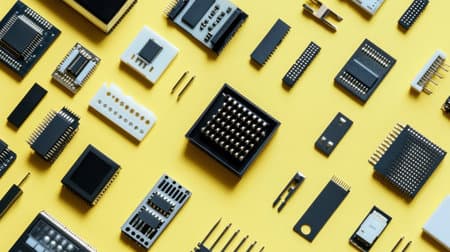
Correct Placement Matters
Sensor location directly affects accuracy-avoid heat sources or airflow for best results.
Wiring & Signal Quality
Use proper cables, shielding, and connection techniques for reliable readings.
Troubleshooting Guide
Practical fixes for noise, drift, or erratic temperature sensor outputs.
Understanding Temperature Sensor Basics
Installing temperature sensors correctly is crucial for measurement accuracy in environments from home automation and greenhouses to industrial process control and electronics labs across South Africa. Whether you're using NTC/PTC thermistors, RTDs (like Pt100), thermocouples, or digital IC sensors (such as DS18B20), meticulous installation and mounting can make the difference between reliable data and misleading results.
Types of Temperature Sensors Commonly Used
- Thermocouples: Rugged, broad-range, fast response-popular in manufacturing and HVAC.
- RTDs (Pt100/Pt1000): Precise, stable, ideal for labs/process, common in SA industry.
- Thermistors: Low cost, quick response, well-suited to battery monitoring and consumer devices.
- Digital Sensors (I2C/1-Wire): Simple wiring, easy for Raspberry Pi/Arduino, great for education and home automation.
Quick tip: Check which sensor interface your microcontroller or PLC supports (analog, digital, thermocouple ICs). Communica stocks devices compatible with both microcontrollers and industrial equipment-see the Sensors category for options.
Key Installation Guidelines
Here are practical sensor installation tips for South African makers, students, and engineers:
- Sensor Placement: Choose a spot representative of your measurement target-not directly above heaters, near windows, or in stagnant air. For room monitoring, mount at least 1.5 m above the floor in a well-ventilated zone.
- Mounting Hardware: Use appropriate clips, glands, or brackets according to datasheet. Insulate the sensor from vibration or electrical noise, especially in factory settings.
- Thermal Contact: For surface-mount sensors, use thermal pads for effective heat transfer. Ensure tight mechanical contact but avoid crushing the sensor body.
- Wiring Route: Avoid routing sensor cables parallel to power lines-run signal wiring at a distance or use shielded cable to minimise induced noise.
- Sealing: For outdoor/industrial applications, employ weatherproofing. Enclosures and cable glands help prevent water ingress, which is especially vital during South African rainy seasons.
| Sensor Type | Typical Application | Installation Tips |
|---|---|---|
| Thermocouple (K, J) | Ovens, boilers, HVAC | Use matching compensating cable and proper junction grounding |
| RTD (PT100) | Laboratory, fluid process | 3- or 4-wire connection for accuracy; mount in thermowell for fluids |
| Thermistor (NTC) | Battery, equipment temp | Good thermal contact with surface; secure against movement |
| Digital (DS18B20) | IoT, home, water tanks | Use pullup resistor (4.7kOhm), waterproof probe if needed |
Correct Connection Practices
- Minimise Lead Lengths: Long cables can add resistance or signal degradation. Keep runs short, or use higher-grade cable and compensating wire when longer distances are required.
- Four-Wire vs Two-Wire: For precise RTD measurement, use four-wire connections to eliminate cable resistance-important in industrial and laboratory builds.
- Soldering & Crimping: Make clean, low-resistance joints. For field wiring, use quality screw terminals or connector blocks-find suitable accessories in Connectors.
Related Sensors & Semiconductors Products
Discover quality sensors & semiconductors products related to Temperature Sensor Installation Tips for Accurate Readings (South Africa Guide)

Ema Ta1004 Programmable Temp Sensor Stainless Steel -40 - +150 Deg. C 4-20ma Output 1 Npn/pnp Output 2 - M18 X 1,5 External Thread Ip68
Ema Ta1004 Programmable Temp Sensor Stainless Steel -40 - +150 Deg. C 4-20ma Output 1 Npn/pnp Output 2 - M18 X 1,5 External Thread Ip68
Practical Examples & Troubleshooting
Let's look at hands-on examples and how to spot and fix typical installation errors for South African projects.
Example: DS18B20 Sensor for Pool Monitoring
- Solder a 4.7kOhm pull-up resistor between the DATA and VCC lines.
- Use a waterproof probe type and submerge it securely below the water's surface, away from sunlight and pool jets.
- Route cable inside a UV-resistant conduit for outdoor durability.
- Test with a thermos flask of hot and cold water to verify response and calibration.
Troubleshooting Common Issues
- Unexpected Fluctuations: Check for electrical noise from nearby motors or unshielded cables.
- Slow Response: Sensor poorly coupled to measurement point-improve thermal connection with paste or bracket.
- Consistent Offset: Calibrate sensor in ice water (0 degreesC) and boiling water (near 100 degreesC at Johannesburg altitude). Adjust in software as needed.
- No Reading: For digital models, ensure correct pull-up and data wiring; for analog, measure voltages with a multimeter and verify continuity.
Local Buying Note: Many popular sensor brands-Amphenol, Adafruit, and TE Connectivity-are kept in stock at Communica with accessories for mounting and wiring. Explore the Sensors and Connectors categories to get everything you need in one order, with options for VAT invoices and branch pickup in Samrand, Pretoria, or Cape Town.
Frequently Asked Installation Questions
- Can I extend a thermocouple cable? Use only matching thermocouple extension wire or signal will drift-compensating cables are available at electronics suppliers.
- How do I improve measurement stability in noisy environments? Shielded twisted pair cables, grounding the shield at one side only, and proper separation from power circuits all help.
- What about condensation risk? Use gel-filled or sealed enclosures for high-humidity areas (like fridges or greenhouses during SA summer months).
Summary Checklist for Success
- Correct sensor for your measurement range and accuracy
- Representative, well-ventilated placement
- Proper cabling, grounding, and minimised EMI
- Secure mounting for ongoing reliability
- Routine calibration and validation using reference sources (ice, boiling water)
Sources
Communica supplies semiconductors and electronic components to industries such as automotive, electrical, automation, mining, and education.
Disclaimer: This content is for educational purposes only. Product availability, pricing, and specifications are subject to change. Always verify current details on the retailer's website before making a purchase. We may earn affiliate commissions from qualifying purchases.

Frequently Asked Questions
Get answers to common questions about Sensors And Semiconductors
Why Choose Communica?
*Free Shipping
Free shipping for orders over ZAR 1,000.00.
7-Day Returns
Get a full refund if you had the product for less than 7 days.
Quick Delivery
Nationwide delivery within 2 - 4 working days.
