
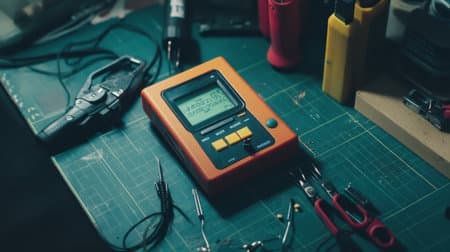


Calibration equipment cost - why the real number is more than the sticker price
When planning projects, workshops or departmental budgets, makers, students and procurement teams often focus on the purchase price of a calibrator or reference instrument. The total cost of calibration equipment is a bundle: acquisition, accessories, verification, consumables, service, and the operational time you spend. This guide breaks those components down so you can plan realistically and avoid surprises when specifying test-and-measurement gear locally.
What this guide covers
- How to translate instrument specs into budget items
- Typical lifetime and recurring costs: verification, probes, and service
- Practical SA notes on availability, lead times and branch pickup
- Simple calculations and a comparison table for common calibrators
Cost components explained
Break the total cost into five practical buckets: purchase price, accessories & fixtures, verification & certificates, consumables and operational overhead. Thinking in buckets keeps purchasing decisions objective: sometimes a cheaper instrument inflates running costs so much it becomes more expensive over time.
1. Purchase price
This is the obvious line item. For example, handheld multimeter calibrators used in training can be in the lower-cost band, while high-precision AC/DC calibrators or multifunction calibrators used by industry sit at the upper end. When choosing, compare key specifications (accuracy, stability, range) rather than brands alone.
2. Accessories and fixtures
Fixtures, probe sets, shunts, Kelvin clips, and calibration leads are frequently overlooked. A bench calibrator with no proper leads or a matching reference meter will require additional purchases; factor 5-20% of the purchase price for a typical accessory kit depending on use-case.
3. Verification and certificate costs
Every calibrated reference needs periodic verification. External verification or traceable certificates from a calibration lab add to total cost. For campus labs and small workshops, expect recurring verification costs every 6-24 months depending on usage and required uncertainty levels.
4. Consumables and service
Batteries, fuses, connectors and periodic service or firmware updates are real budget items. Budget for consumable replacement cycles-especially in education settings where equipment sees heavy, repeated use.
5. Operational overhead and downtime
Time spent performing the calibration, staff training and instrument downtime should be costed. Point-of-use downtime can be minimised by buying redundant references or arranging branch pickup to reduce shipping lead times.
Quick comparison table: common calibrator types and cost drivers
Use this table as a starter template when comparing options. Values are indicative ranges to inform budgeting and procurement conversations.
| Instrument type | Typical purchase range (ZAR) | Main cost drivers | Typical verification interval |
|---|---|---|---|
| Handheld process calibrator | 8,000-25,000 | Accessories, probe sets | 12-24 months |
| Multifunction benchtop calibrator | 40,000-250,000 | Reference standards, shunts, service | 6-12 months |
| AC/DC voltage/current calibrator | 120,000-600,000+ | High-stability references, lab certificates | 6-12 months |
| Thermocouple / temperature calibrator | 15,000-120,000 | Baths or dry-blocks, probes | 12 months |
Selection criteria - match spec to your workflow
Select instruments based on uncertainty requirements, stability, interfaces and how you actually use them. For tertiary labs and makerspaces, ruggedness and ease-of-use often trump sub-ppm accuracy. For production or QA departments, long-term stability and traceable certificates matter more.
Key specification callouts
- Accuracy and uncertainty: define the acceptable error relative to your measurement needs
- Stability and drift: reduces frequency of re-verification
- Range and resolution: ensure the instrument covers your full test range
- Interfaces: LXI/GPIB/USB for automation versus manual front-panel use
If you want to explore product ranges that match a particular use case, browse Communica's shop categories for test-and-measurement and related hardware: Shop by Category.


